Real estate markets vary greatly globally based on economic, social, and environmental factors. Coastal cities have higher property values due to limited land, while inland areas offer affordability. National medians rise, but regional disparities exist, with tech hub counties showing stronger growth. Navigating these variations requires thorough market research focusing on zoning, demographics, infrastructure, urban renewal, and economic conditions. Understanding these dynamics is crucial for strategic moves in the evolving real estate landscape.
The variations in urban landscapes and county boundaries present a complex challenge in the realm of real estate. Understanding these differences is crucial for investors, developers, and policymakers alike, as it significantly impacts property values, market trends, and community development. This article delves into the intricate web of factors that cause cities and counties to vary so greatly, offering insights into their unique characteristics and implications for the industry. By exploring these disparities, we aim to provide valuable knowledge for navigating this dynamic sector.
Unveiling Regional Real Estate Variations: A Comprehensive Overview

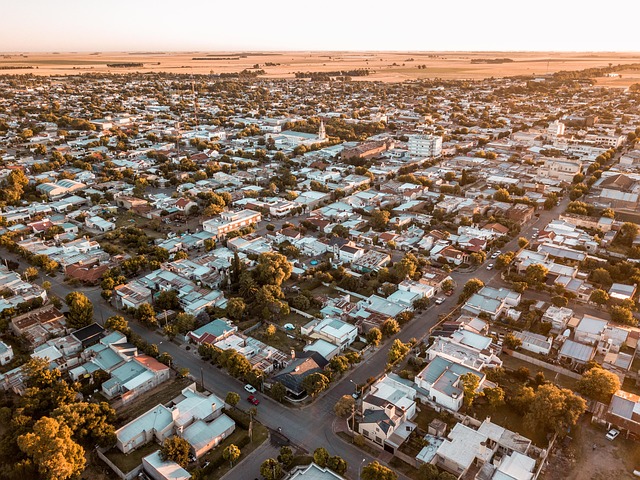
The real estate landscape across cities and counties can vary significantly, shaped by unique economic, social, and environmental factors. These variations demand a nuanced understanding from both industry professionals and prospective buyers or sellers. Unveiling these regional differences is crucial for making informed decisions in an increasingly diverse market. For instance, coastal cities like San Francisco and New York often experience higher property values due to limited land availability and strong job markets, while inland areas might offer more affordable options with different amenities.
A comprehensive overview of real estate variations requires examining key indicators such as median home prices, appreciation rates, and market trends specific to each region. According to recent data, the national median home value has been on a steady rise, but regional disparities remain pronounced. Counties bordering major tech hubs often showcase higher real estate values due to the pull of highly skilled jobs, whereas rural areas may face challenges in attracting investment, leading to slower growth or even declines in property values.
To navigate these variations effectively, professionals and individuals alike should conduct thorough market research tailored to their specific locations. This involves delving into local zoning regulations, demographic shifts, and infrastructure developments that can impact real estate values over time. For example, areas undergoing urban renewal projects may experience significant price increases as they transform into vibrant neighborhoods. Conversely, regions facing economic downturns or industrial decline might present opportunities for buyers seeking relatively lower prices. Staying informed about these dynamics is essential for making strategic moves in the ever-evolving real estate market.
Exploring County-to-City Real Estate Disparities: Key Factors at Play

The real estate landscape varies dramatically across cities and counties, reflecting complex economic, social, and demographic factors. This disparity is not merely aesthetic; it translates directly into substantial differences in property values, affordability, and access to quality housing. For instance, a 2022 report by the National Association of Realtors revealed that median home prices in urban areas averaged 15% higher than those in suburban or rural counties. Such disparities underscore the need for a nuanced exploration of the key factors influencing these variations.
One primary factor is urban density and infrastructure development. Cities with high population densities naturally experience higher real estate values due to limited availability of land and increased demand from residents seeking amenities and services within walking distance. Conversely, suburban or rural counties often offer more expansive lots at lower costs, appealing to buyers seeking larger living spaces or more affordable housing options. Additionally, access to quality schools, employment opportunities, and transportation networks significantly impacts real estate values. Top-rated school districts and robust job markets tend to drive up property prices, as seen in highly sought-after suburban communities bordering major metropolitan areas.
Demographics also play a pivotal role. Counties with younger, tech-savvy populations often experience higher demand for modern, urban living spaces close to technology hubs. Conversely, retirement communities or areas attracting empty nesters may see a shift towards more affordable housing options outside city centers. Moreover, cultural and recreational offerings, such as art galleries, museums, and outdoor spaces, can substantially enhance the desirability of certain neighborhoods, pushing up real estate values. Understanding these factors empowers policymakers, developers, and homebuyers alike to navigate the market more effectively and foster inclusive growth.
Understanding City-Level Real Estate Trends: Local Market Dynamics

Real estate trends vary significantly across cities and counties, reflecting unique local market dynamics. These dynamics are shaped by a myriad of factors including economic conditions, demographic shifts, urban planning policies, and infrastructure development. For instance, bustling metropolitan areas like New York City or San Francisco naturally experience higher property values due to high demand from both residents and investors, while smaller towns might see more affordable real estate opportunities. Understanding these variations is crucial for both buyers and sellers, as it allows them to make informed decisions based on specific market conditions.
Experts note that local economic health plays a pivotal role in real estate trends. Cities with robust job markets often attract young professionals and families alike, driving up demand and prices. Conversely, regions facing economic downturns may experience a slowdown in the real estate sector, leading to more negotiation room for buyers. Data from the National Association of Realtors (NAR) consistently shows that local employment rates are among the top indicators of real estate market performance. Demographic changes also significantly influence trends; areas with aging populations might see an increase in downsizing and retirement homes, while places attracting young families could experience a surge in demand for schools and family-friendly amenities.
Navigating these city-level variations requires a deep understanding of local markets. Real estate agents, investors, and buyers should research specific neighborhoods, analyze historical sales data, and stay updated on upcoming development projects. For instance, a city’s urban renewal plans can significantly impact property values in certain areas. By staying informed about these dynamics, professionals can provide valuable insights to clients, enabling them to capitalize on opportunities or mitigate risks. Ultimately, success in real estate naturally depends on this granular understanding of local market trends and their constant evolution.