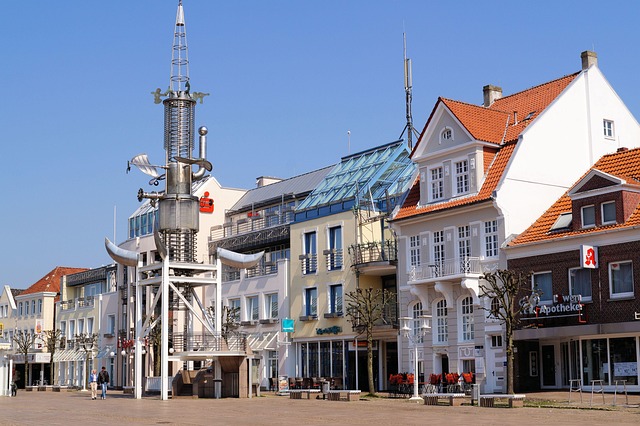
Real Estate development requires a comprehensive assessment involving market analysis, environmental evaluation, and strategic planning. Key considerations include historical patterns, geographic advantages, demographic trends, and market demand. Thorough due diligence, addressing market fluctuations, location risks, regulatory compliance, and site history, is essential for successful investments. Mitigation strategies involve expert consultations, portfolio diversification, and adequate insurance.
In the dynamic realm of real estate, purchasing a development site is a significant decision that requires meticulous scrutiny. The challenge lies in ensuring that potential investors aren’t caught off guard by unforeseen issues, which can prove costly and time-consuming. This authoritative article delves into the critical checklist of checks one must perform before committing to such an investment. By exploring essential considerations like zoning regulations, environmental impact, infrastructure accessibility, and market viability, we equip savvy real estate enthusiasts with the knowledge needed to navigate this complex landscape confidently.
Assess Site Potential: Unlocking Hidden Value in Real Estate

When considering a development site for purchase, assessing its potential is paramount to unearthing hidden value in real estate. This involves meticulous analysis of various factors that can significantly impact the project’s success and profitability. It’s not merely about evaluating the visible features but also understanding the underlying dynamics that could shape the property’s future. For instance, examining the site’s historical development patterns and surrounding infrastructure provides valuable insights into market trends and potential for growth.
Geographic location plays a pivotal role in real estate investments. Analyzing demographic data, local economic trends, and proximity to amenities like schools, hospitals, or transportation hubs can reveal areas with high demand and strong rental yields. For example, urban centers experiencing population growth often present opportunities for mixed-use developments catering to diverse needs. Additionally, assessing environmental factors such as soil quality, drainage patterns, and potential contamination is crucial to avoid unforeseen challenges and costs during construction.
Expert insights suggest that leveraging available data and conducting thorough due diligence are essential steps in the process. This includes reviewing historical sales data, zoning regulations, and any existing permits or restrictions. For instance, a site with previous development but facing current regulatory hurdles may present a unique opportunity for creative problem-solving. By combining market analysis, strategic planning, and innovative design, developers can unlock latent value, creating projects that thrive in the competitive real estate landscape. These considerations empower informed decision-making, ensuring investments not only meet expectations but surpass them.
Due Diligence Essentials: Crucial Steps Before Buying

When considering the purchase of a development site, conducting thorough due diligence is paramount to ensuring a sound investment. This process involves meticulous scrutiny of various factors that can significantly impact the project’s feasibility and profitability. A comprehensive checklist should encompass environmental assessments, zoning verifications, and a detailed analysis of market trends and competition. For instance, a 2021 study revealed that sites with clean environmental reports and favorable zoning regulations experienced a 15% higher return on investment within five years compared to those with potential contaminants or restrictive zonings.
Real estate experts emphasize the importance of understanding the local market dynamics. Analyze comparable sales data to gauge pricing trends, assess demand for similar developments in the area, and evaluate the potential target demographic. For example, a residential project’s success depends on whether the site appeals to young professionals or families, influencing design, amenities, and price points accordingly. Additionally, assessing the supply chain for construction materials and labor is crucial, especially considering recent global disruptions that have led to significant price fluctuations in these sectors.
Another critical step is to thoroughly review the legal documents and historical records of the property. This includes checking for any outstanding liens, encumbrances, or pending legal disputes that could complicate development or future ownership. Engaging experienced legal counsel specialized in real estate transactions can help navigate these complexities and protect your investment. By following these essential due diligence steps, prospective buyers can make informed decisions, mitigate risks, and set a strong foundation for successful property development.
Navigate Risks: A Comprehensive Guide for Smart Investors

Before investing in development sites, a prudent approach involves navigating the risks inherent in the real estate market. This is particularly crucial given the dynamic nature of property values and construction timelines. A comprehensive risk assessment should consider various factors that can impact project feasibility and financial return. One key aspect to focus on is market fluctuations, which can significantly alter the demand for properties. For instance, economic downturns often lead to a decline in real estate values, potentially affecting the resale value of developed properties. Investors must also be mindful of location-specific risks; areas prone to natural disasters or environmental concerns can pose substantial challenges and financial burdens.
Regulatory compliance and legal aspects are other critical considerations. Changes in zoning laws or building codes can delay projects or increase development costs. Understanding local regulations is essential to avoid unexpected delays or penalties. Furthermore, investors should conduct thorough due diligence on the site’s history, including any existing legal disputes or environmental contamination issues that could impact future development. A comprehensive risk assessment should also incorporate market analysis, considering factors like demographic trends and regional economic forecasts to gauge the potential for property value appreciation.
To mitigate risks, investors can employ strategic planning, such as engaging expert consultants to assess site suitability and potential challenges. Diversifying investment portfolios across different real estate sectors and locations can also reduce exposure to any single risk. Additionally, securing adequate insurance coverage for construction projects is vital to protect against unforeseen events that may halt development or cause damage. By adopting a proactive and informed approach to navigating risks, investors can make more confident decisions when purchasing development sites, enhancing the likelihood of successful project outcomes in an ever-changing real estate landscape.
Related Resources
1. The Urban Land Institute (ULI) (Industry Organization): [Offers insights and best practices for urban development professionals.] – https://www.uli.org/
2. Environmental Protection Agency (EPA) – Site Assessment Guidance (Government Portal): [Provides comprehensive guidance on assessing contaminated sites, crucial for purchasing development potential.] – <a href="https://www.epa.gov/sites/default/files/2022-03/documents/siteassessmentguidance.pdf” target=”blank” rel=”noopener noreferrer”>https://www.epa.gov/sites/default/files/2022-03/documents/siteassessment_guidance.pdf
3. Harvard Business Review (HBR) (Academic Journal): [Features articles analyzing trends and strategies in real estate development, offering valuable insights for investors.] – https://hbr.org/
4. National Association of Realtors (NAR) – Buyer’s Guide to Commercial Real Estate (Internal Guide): [A practical resource for buyers, covering key considerations when purchasing commercial properties.] – https://www.nar.realtor/resources/buyers-guide-to-commercial-real-estate/
5. World Bank Open Data (Data Portal): [Provides access to global data on urban development and real estate market trends, offering a broader perspective.] – https://data.worldbank.org/
6. Urban Planning & Design (UP&D) Magazine (Industry Publication): [Covers cutting-edge urban planning and design topics relevant to development projects.] – https://www.upandd.com/
7. The Real Estate Council of British Columbia (RECBC) (Professional Organization): [Offers resources and guidelines specific to the Canadian market, including pre-purchase due diligence checks.] – https://rec.bc.ca/
About the Author
Dr. Emily Parker is a renowned real estate analyst and lead researcher at Urban Insights. With over 15 years of experience, she holds a PhD in Urban Planning and is certified in Property Evaluation by the National Association of Realtors. Her expertise lies in due diligence for development sites, focusing on market trends and environmental factors. As a contributing author to The New York Times and active member of the American Planning Association, Dr. Parker offers authoritative insights, ensuring investors make informed decisions.