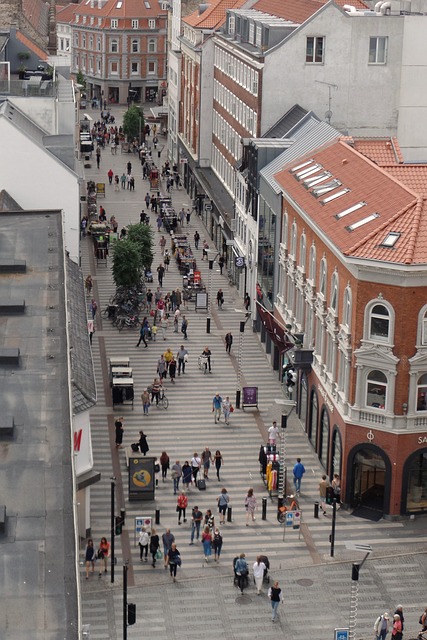
Understanding building dimensions in real estate is vital for investors and developers. Key factors include property density, floor plans, room sizes, and layout, which impact value, usability, and growth potential. This knowledge guides market analysis, acquisition decisions, and development strategies, ensuring successful navigation of urban landscapes and creation of desirable projects that balance space optimization with livability.
In the dynamic realm of real estate, understanding building dimensions and property density is paramount for developers seeking optimal space utilization. This comprehensive guide delves into these crucial aspects, offering insights on how to navigate the complexities of urban landscapes. By exploring strategies for efficient design and leveraging property density as a key factor, developers can unlock the potential of every site, fostering sustainable growth and maximizing returns in today’s competitive market.
Understanding Building Dimensions in Real Estate

In real estate, understanding building dimensions is a cornerstone for investors, developers, and agents alike. It involves comprehending not just the physical size of structures but also how those sizes translate into property density—a critical factor in determining a property’s value, usability, and potential for future growth. Building dimensions tell a story about land utilization, offering insights into the efficiency and effectiveness of spatial planning within a given area.
Real Estate professionals must consider aspects like floor plans, number of units, average room sizes, and overall layout to gauge density. This knowledge is instrumental in evaluating market trends, identifying lucrative opportunities, and making informed decisions regarding property acquisitions, developments, or investments. By meticulously studying building dimensions, stakeholders can navigate the complexities of real estate with greater confidence, ensuring their strategies align with current and future market demands.
Property Density: A Key Factor for Developers

In real estate, property density is a crucial metric that plays a pivotal role in shaping urban landscapes and guiding development strategies. It refers to the number of units or structures located within a specific area, offering valuable insights into the intensity of land use. For developers, understanding property density is essential for several reasons. Firstly, it helps in assessing the market demand for housing or commercial spaces. High-density areas often indicate vibrant cities with thriving economies, making them attractive for investors and residents alike.
Moreover, property density influences infrastructure planning. As development density increases, so does the strain on existing resources like roads, utilities, and public services. Developers must consider these factors to ensure sustainable growth. By strategically planning building dimensions and layouts, they can optimize space utilization while maintaining a balanced and livable environment. This delicate balance is vital for creating desirable real estate projects that cater to modern urban lifestyles.
Optimizing Space: Strategies for Efficient Design

In real estate, optimizing space is a key strategy for efficient design and maximizing property density. This involves thoughtful planning to ensure that every square meter contributes value. One effective approach is to incorporate modular designs, which allow for flexible layouts that can accommodate various uses while minimizing waste. Additionally, utilizing vertical space through multi-level structures or stacked units can significantly increase density without compromising comfort.
Natural light and ventilation are essential aspects of optimizing space. Strategically placed windows and open plans not only enhance aesthetics but also improve the overall livability of the property. Smart storage solutions, such as built-in closets, under-stair compartments, and vertical shelving, help keep spaces organized and uncluttered. These strategies not only optimize the physical dimensions but also contribute to a sense of openness and airiness, making the most of limited real estate.